Strava
Est. 2009Mark Gainey and Michael Horvath went inch-wide, mile-deep — building Strava for Garmin-owning cyclists, one friend at a time.
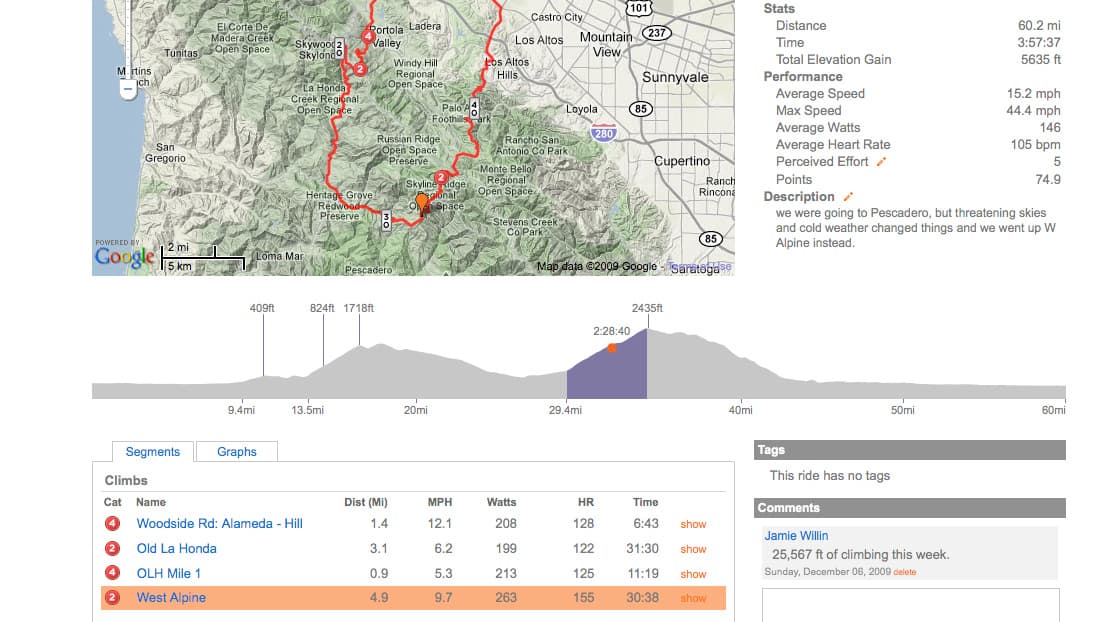 ▶ STRAVA · 2009
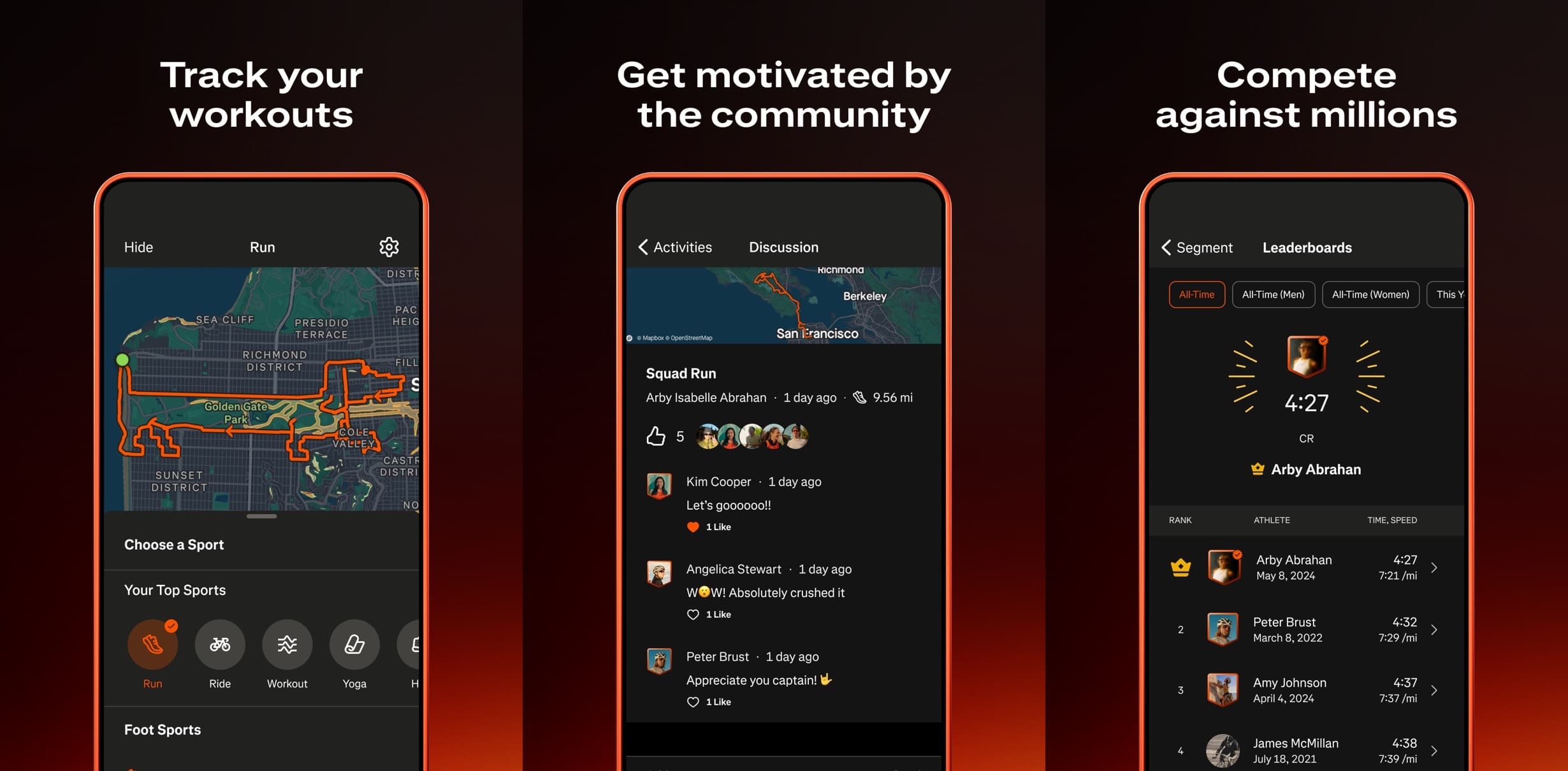 STRAVA · 2026 ◀
Drag the handle — Strava, 2009 → 2026.
“Do things that don't scale. People want to focus on scale and network effects early on. We were focused on one thing: if we had one person uploading to Strava, could we get them to come back and do it again?”— Mark Gainey, co-founder of Strava
The ugly part. The idea wasn't new: Gainey and Horvath had sketched a 'virtual locker room' for athletes back in their Harvard rowing days, then shelved it for more than a decade until phones and GPS finally caught up. When they shipped in 2009, the first Strava was a plain website where cyclists uploaded Garmin data and saw it ranked on a handful of segment leaderboards — no app, no running, just road cyclists, the one tribe who already owned the $300 devices and cared who was fastest up a climb.
What they did that didn't scale. They hand-recruited about 20 friends — half East Coast, half West Coast — for a 30-day competitive trial during the Tour de France, dangling prizes like socks and racing wheels for the fastest segments. Early on the founders even drove to local bike races to plug riders' Garmins in and upload the data by hand. King-of-the-Mountain bragging rights did the rest; riders kept coming back to defend their times.
Now. The mobile app didn't even arrive until 2011 — and that's what turned a cyclists' website into a fitness network of more than 100 million runners, riders, and hikers. It's still built on the same segment leaderboards that hooked the first twenty.